Automatic Garden Irrigation: A System That Waters Your Garden Without Your Involvement
An automatic irrigation system ensures consistent plant care, helps use water efficiently, and maintains optimal soil moisture. Discover how the system works, when to install it, and what determines its cost.
How an Automatic Irrigation System Works
Does Automatic Irrigation Really Save Water?
When to Water Your Lawn and How to Prepare the System for Winter
When to Install an Irrigation System and How Much Does It Cost?
Common Mistakes and Frequently Asked Questions

How an Automatic Irrigation System Works
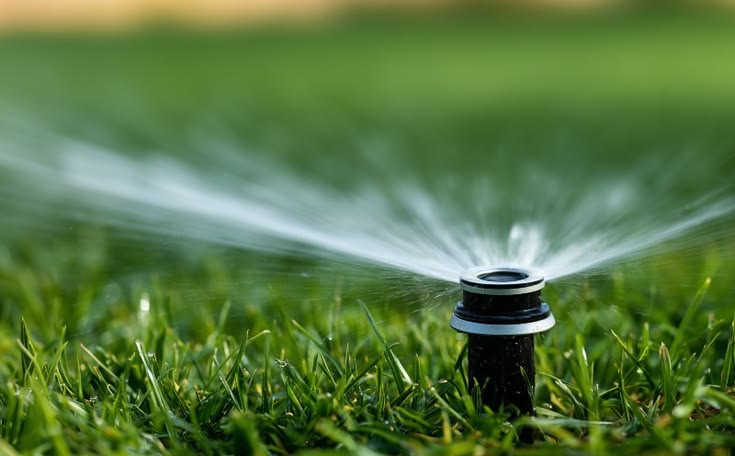
An automatic irrigation system operates according to a programmed schedule, ensuring a consistent water supply to plants. The controller manages solenoid valves that regulate water flow to sprinklers and drip irrigation lines.
The property is divided into separate irrigation zones based on plant types, area size, and individual watering requirements. Lawns, trees, hedges, and flower beds receive the appropriate amount of water according to the specific needs of each zone.
The system can also be equipped with rain and soil moisture sensors that adjust irrigation schedules according to weather conditions.
Does Automatic Irrigation Really Save Water?
Automatic irrigation does not guarantee water savings on its own. According to the US Environmental Protection Agency (EPA), homes with standard timer-based irrigation systems can use approximately 50% more outdoor water than homes without them.
The reason is simple: conventional timers follow a fixed schedule regardless of rainfall or the actual water requirements of plants.
Efficient water management relies on:
- Irrigation zoning based on plant requirements;
- Rain sensors;
- Weather-based or soil moisture controllers;
- Proper selection of sprinklers and drip irrigation lines.
According to the EPA, replacing a conventional timer with a certified smart irrigation controller can reduce outdoor water use by up to 30%. Actual results depend on climate, site conditions, and system configuration.
When to Water Your Lawn and How to Prepare the System for Winter
Early morning is the best time to water a lawn. Evaporation is lower during this period, allowing water to penetrate the soil more effectively. Evening irrigation can leave grass wet for extended periods, increasing the risk of fungal diseases.
Seasonal maintenance is equally important.
In autumn, before sustained freezing temperatures begin, the irrigation system must be winterized. Water is removed from pipes, valves, and sprinkler heads, typically using compressed air. This prevents equipment damage caused by freezing water.
In spring, the system is restarted, connections are checked for leaks, and valves and sprinkler heads are inspected and adjusted.
When to Install an Irrigation System and What Determines Its Cost
The ideal time to install an automatic irrigation system is before laying the lawn, constructing pathways, and planting the main greenery. This allows underground pipes to be installed without disturbing completed landscaping.
The cost of an irrigation system depends on:
- The size and configuration of the property;
- The number of irrigation zones;
- Plant selection and planting types;
- Water source and supply capacity;
- Equipment selection and level of automation.
A detailed estimate is prepared after assessing the property, identifying plant watering requirements, and developing the irrigation design.
Common Mistakes and Frequently Asked Questions
The most common mistakes in automatic irrigation system operation include:
- Using the same watering schedule for all zones;
- Not installing rain sensors;
- Failing to winterize the system on time;
- Neglecting regular technical maintenance.
Can an irrigation system be installed on an existing lawn?
Yes, but installation will require additional work to restore the lawn surface. This is why it is best to plan irrigation during the landscape design stage.
How long does installation take?
Installation time depends on the property size, number of irrigation zones, and complexity of the engineering solutions.
Does an automatic irrigation system require regular maintenance?
Yes. Seasonal spring start-up, autumn winterization, and periodic equipment inspections help maintain reliable system performance.
VISAD designs and installs turnkey automatic irrigation systems tailored to each property's conditions, plant selection, and landscape requirements. Contact us to receive a custom design solution and a cost estimate for your property.